
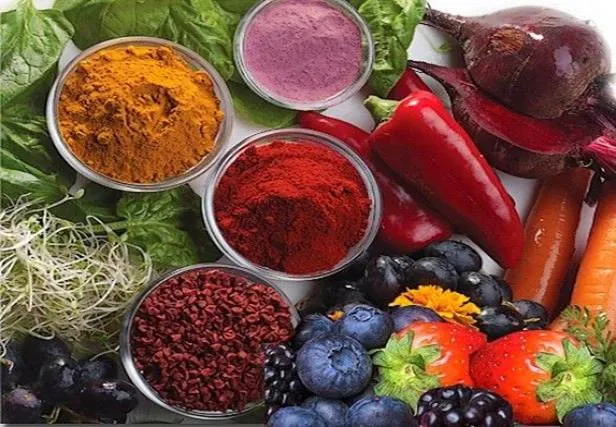

A green leaf on a label does not make a color organic. Rules decide that, and the rules are long. Brands that want organic food coloring in their products must prove where each pigment came from, how it was grown, and how it was handled. Paper matters as much as plants here.
The process can look heavy at first. It does get easier with a plan. This article walks through the main steps in plain words. If you make, buy, or sell plant based colors, these points can keep an audit from turning into a bad week.
What Organic Really Means
Organic is a legal claim, not a mood. In most markets it covers farming, processing, storage, and shipping. Crops must grow without synthetic pesticides or banned fertilizers. Seeds, soil history, and field buffers all count.
Rules differ by region. The USDA National Organic Program, the EU regulation, and others each have their own details. A pigment certified in one place may not qualify in another. Check the market you sell in before you plan a launch. It is a dull step, but it saves real money.
Tracing Raw Materials to Farms
Everything starts at the field. Auditors want to see farm certificates, harvest dates, and lot numbers. Each batch of carrots, beets, or turmeric needs a clear link back to its grower. If one link breaks, the whole lot can fail.
Keep records tidy. Use a simple lot code system and store scans of every certificate. Ask farms about neighboring fields, since drift from a conventional farm can cause trouble. A quick call to a grower often answers questions that paper cannot.
Processing Aids and Allowed Solvents
Extraction is where many projects stumble. Water and ethanol are widely accepted in many programs, while harsh solvents are not. Carriers and preservatives need checking too. A single banned additive can cancel the organic status of a whole batch.
Ask every supplier for a full list of processing aids. Compare it to the approved list in your region. A reliable natural food colorant supplier should hand this over without delay. If they hesitate, keep looking. Clean answers early prevent long arguments later.
Preventing Cross Contamination on Lines
Shared equipment is a risk. If the same tank runs organic and conventional material, cleaning must be proven. Written procedures, wash logs, and sometimes test swabs show that the line was clear. Auditors read these closely.
Schedule organic runs first, after a full clean. Label tanks, bags, and drums clearly. Train staff to spot mix ups. One wrong scoop can undo weeks of work. A simple color coded tag system helps people remember which material belongs where.
Documents Auditors Expect to See
Auditors love paperwork. Expect to show an organic system plan, supplier certificates, transaction certificates, and batch records. Mass balance sheets prove that the amount sold matches the amount made, with no extra bags appearing.
Practice before the real visit. Pick a finished lot and trace it back to the field in under an hour. If you can, you are ready. If you stall, fix the gap now. Store records for the time your certifier requires, often several years.
Staying Compliant Year After Year
Certification is not one and done. It renews each year, with new inspections. Rules also change, sometimes with short notice. Subscribe to updates from your certifier and review your plan at least once a year. Train your staff whenever rules or ingredients shift. Even a small mix up on the floor can put your status at risk. Give every team member a clear role so nothing slips through the cracks. Good records and shared habits keep your facility ready for an audit on any day of the year.
Run internal audits every quarter. Check supplier certificates for expiry dates and replace them early. Keep a short log of changes in sources or methods. A steady habit beats a rushed scramble before inspection day, and your team will feel calmer too.
Conclusion
Organic pigments need proof at every step. Know the rules of your market, trace each lot to a farm, vet every processing aid, and keep lines clean. Good records tie it all together and make audits smoother.
For more guidance on color sourcing and ingredient standards, visit foodrgb.com and browse the resources. Start with a small internal audit this month, fix what you find, and repeat. Steady effort now keeps your certificate safe and your customers confident.