

Discover the captivating transformation of raw Pu erh tea as it ages naturally. It evolves from a bold and astringent youth into smooth, complex depths featuring chen xiang and chen yun. Sourced from ancient Yunnan tea forests at Tea & Leaf, we explore the flavor stages from 0-3 years to 10+ years. We also cover key aging factors like storage and terroir, brewing tips, and when older truly means better. Unlock the secrets to tasting this living legend.
Key Takeaways:
- Raw Pu-erh starts bitter and astringent in youth (0-3 years), evolving to smoother, sweeter profiles with floral notes and fruity notes after 5-10 years of tea aging.
- Optimal tea storage—cool, humid, clean storage environment—along with premium Yunnan large-leaf tea trees, accelerates desirable Chen Xiang (aged aroma) and Chen Yun (aged charm).
- Aged Raw Pu-erh (10+ years) develops complex depth; brew with hotter water, longer steeps to unlock transformative flavors from young sharpness to refined elegance.
What Is Raw Pu-erh Tea?
Raw pu-erh tea, also known as Sheng Pu-erh, is an authentic Chinese tea from Yunnan Province made from yunnan large-leaf tea trees of Camellia sinensis var. Camellia sinensis var. assamica. These ancient Yunnan tea forests yield the rare loose-leaf teas sourced by Tea & Leaf. The tea production process starts with harvesting fresh tea leaves from these majestic large-leaf tea trees.
The journey begins with the withering process, where leaves soften and lose moisture naturally. Next comes kill-green fixation, heating the tea leaves to halt oxidative process and preserve freshness. This step ensures the tea retains its potential for natural fermentation and fermentation process over time.
Following fixation, rolling sun-drying shapes the leaves and releases enzymes. The result is mao cha, a sun-dried green tea or sometimes pan-fired tea and sun-dried tea. This loose form captures the essence of pu-erh tea before pressing into cakes.
High-grade maocha from old-growth trees sets the stage for long-term aging. Tea lovers prize these for their evolution from young pu-erh‘s sharp notes to old pu-erh‘s smooth, woody aroma. Proper handling at each stage highlights the tea’s unique flavor transformation.
How Does Aging Affect Raw Pu-erh?
Aging dramatically transforms raw pu-erh tea through natural fermentation and natural storage, mellowing its bold character into complex aged aroma over time. This flavor transformation happens as volatile organic compounds in the tea leaves evolve under the right storage environment. Factors like humidity, temperature, and airflow play key roles in tea aging.
From young pu-erh to old pu-erh, the aging process softens sharp edges. Fresh sun-dried green tea from Yunnan Province starts with lively energy, then shifts through stages of woody flavor and depth. Proper tea storage prevents issues like fishy taste or moldy smells.
Tea storage methods vary for long-term aging. Store tea cakes in cool, ventilated spaces to encourage microbial activity and oxidative process. Tea lovers appreciate how Camellia sinensis var. assamica from ancient tea trees yields unique results over decades.
Explore Tea & Leaf’s Pu-erh Teas Section for authentic options with global shipping. Each stage offers distinct tea tasting experiences, from vibrant to profound. Track your own pu-erh tea evolution with careful storage environment control.
Young Raw Pu Erh (0-3 years)
Young pu-erh, fresh within 0-3 years, bursts with vibrant floral notes and fruity notes straight from high-grade maocha. Sourced from Yunnan large-leaf varieties in Yunnan Province, it captures the fresh tea leaves’ energy after withering process, kill-green fixation, rolling, and sun-drying. This young pu-erh feels lively and astringent on first sip.
The young raw pu-erh may show a slight fishy taste due to early volatile organic compounds. Brew it hot to highlight crisp green apple and orchid hints. Tea & Leaf offers authentic selections for those new to sheng pu-erh.
Store young pu-erh loosely to allow airflow, avoiding tight compression at this stage. This preserves its potential for future flavor transformation. Expect a pale yellow brew with bold tea polyphenols presence.
Ideal for daily drinking, aged raw pu-erh builds appreciation for tea aging. Pair it with light meals to balance its intensity. Discover Tea & Leaf’s range shipped worldwide.
Aged Raw Pu Erh (5-10 years)
Aged raw pu erh tea after 5-10 storage years develops smoother woody tones and nutty tones as tea polyphenols undergo oxidative process. The Camellia sinensis leaves transform, reducing bitterness from early stages. This mid-phase aged raw pu-erh gains depth through steady natural fermentation.
Storage environment matters here, with moderate humidity fostering even flavor transformation. Notes of cedar and almond emerge, alongside softer astringency. Tea & Leaf’s offerings suit tea lovers seeking balanced profiles.
The liquor turns amber color, with a cleaner mouthfeel than young pu-erh. Compress into tea cakes for efficient tea storage during this period. Avoid extreme heat to prevent off-flavors.
Regular tea tasting reveals progress in aged aroma. Compare brews from different storage years for insights. Tea & Leaf provides quality raw pu-erh tea with global reach.
Very Aged Raw Pu Erh (10+ years)
Very aged raw pu-erh over 10+ years reveals profound Chen Xiang and Chen Yun, the aged charm of woody flavor with glutinous rice and jujube aromas. Long-term aging refines the tea into a smooth, medicinal treasure. This old pu-erh pinnacle showcases natural storage mastery.
Expect a reddish-brown cup with layers of forest floor and dried fruit scents. The aging process diminishes any early harshness, leaving pure elegance. Tea & Leaf’s Pu-erh cake selections highlight this stage.
Maintain consistent storage environment for very aged raw pu-erh, using breathable wrappers. Gentle brewing unlocks nuanced aged aroma. Ideal for contemplative sessions among tea lovers.
Benefits of long-term aging include exceptional clarity and body. Source from reputable origins like Yunnan Province for true results. Explore Tea & Leaf’s pu-erh with worldwide shipping.
The Flavor Evolution of Aged Raw Pu Erh
The flavor transformation of aged raw pu-erh sees bold youth give way to woody aroma, resulting in a reddish brewed liquor with amber color and reddish-brown cup.
Young raw pu-erh starts with sharp, floral notes and astringent bite from sun-dried green tea. Over years of natural aging, these transform through natural fermentation. Tea polyphenols break down, softening the profile into something smoother.
Expect woody tones and subtle nutty tones to emerge after a decade in proper storage environment. The liquor shifts from pale yellow to deep amber color, with a clean, lingering finish. This flavor transformation rewards patient tea lovers.
For hands-on exploration, try tea tasting sessions focused on Tea & Leaf’s premium selections of aged raw pu-erh. Compare young and old samples side by side. Notice how volatile organic compounds evolve, adding aged charm like chen xiang or chen yun.
Young Raw Pu-Erh: The Bold Beginning
Raw Pu-erh in its youth bursts with fruity notes and fresh glutinous rice scents from Yunnan large-leaf tea trees. Brewed young, it delivers a vibrant green hue and brisk body. This stage captures the essence of mao cha after kill-green fixation and sun-drying.
The fresh tea leaves undergo initial oxidative process, creating a lively, sometimes fishy taste if not stored well. High-grade selections shine here with clean energy. Steep at lower temperatures to highlight these early traits.
Tea cakes pressed from this young pu-erh set the foundation for long-term aging. Store them in cool, ventilated spaces to avoid moldy smells. This preserves the potential for future depth.
Mid-Aging: Softening and Complexity
As storage years pass, around five to fifteen, raw Pu-erh develops woody flavor and hints of jujube aromas. The brew turns reddish brewed, with smoother mouthfeel from ongoing microbial activity. Tea aging mellows the initial sharpness.
Expect medicinal scents to fade, replaced by balanced earthiness. The pu-erh cake darkens, releasing aged aroma when broken apart. Proper tea storage in humid yet airy conditions accelerates this positively.
During tea tasting, mid-aged samples from Tea & Leaf’s premium lines show layered profiles. Pair with light snacks to appreciate the evolving tea fermentation. This phase bridges youth and maturity beautifully.
Mature Aged Raw Pu-Erh: Peak Harmony
Old pu-erh, after twenty-plus years, offers profound woody aroma and silky texture in a reddish-brown cup. Flavors harmonize into sweet woody tones with faint fruity notes lingering. The aging process completes the flavor transformation.
Camellia sinensis var. assamica from Yunnan Province shines in compressed shapes pu-erh cake, now dense and aromatic. Brews yield thick amber color with minimal bitterness. Experts note the calming, almost meditative quality.
Seek out Tea & Leaf’s premium aged raw pu-erh for authentic sheng pu-erh experiences. Rinse leaves first to awaken the aged charm. Savor slowly to catch nuances from decades of natural storage.
Factors That Influence Flavor Evolution During Aging
Several key factors like storage environment, Camellia sinensis and tea tree variety shape the flavor evolution during raw Pu-erh’s tea aging journey.
Microbial activity plays a central role in the aging process. It drives natural fermentation, transforming tea polyphenols in the leaves over time. This leads to complex flavor transformation, from fresh glutinous rice notes to deeper woody tones.
In Yunnan Province, experts focus on harvest season and large-leaf tea trees for optimal results. Proper conditions enhance the aged aroma, known as chen xiang or chen yun. Tea lovers notice smoother profiles in well-aged pu-erh cakes.
Understanding these elements helps predict how young pu-erh becomes old pu-erh with aged charm. Avoid extremes to prevent off-flavors like fishy taste. Consistent care ensures enjoyable tea tasting experiences.
Storage Environment
Optimal storage environment prevents moldy smells and ensures smooth tea storage during natural storage, unlike the wo dui or wet piling used in ripe pu-erh.
Keep Raw Pu-erh tea in cool, dry places with good air circulation. High humidity risks unwanted microbial activity, while extreme heat speeds up changes unevenly, unlike accelerated fermentation in Shou Pu-erh. Aim for temperatures around room levels to support gradual oxidative process.
Use breathable wrappers for tea cakes in compressed shapes. This allows volatile organic compounds to develop, creating woody aroma and fruity notes. Rotate stacks periodically for even exposure.
Many from Yunnan Province store in clean, dark spaces away from odors. This preserves the amber color and reddish-brown cup in brews. Proper setup makes flavor smoother over storage years.
Tea Tree Variety and Harvest Season
Tea tree variety like Yunnan large-leaf Camellia sinensis var. assamica and large-leaf tea trees from specific harvest season such as Fengqing GuShu Chun Jian greatly impact aging potential.
Camellia sinensis var. assamica trees in Yunnan Province yield resilient mao cha. Spring picks offer vibrant floral notes, ideal for long-term aging. These high-grade maocha evolve into nutty tones and jujube aromas.
Varieties like Fengqing Zhou Shi bring unique traits to sun-dried Mao Cha. Early harvest season leaves withstand tea aging better than later ones. This supports rich aged raw pu-erh profiles. See the Pu-erh Teas Section for more information.
Tea & Leaf’s Yunnan-sourced pu-erh tea highlights these qualities in Sheng Pu-erh. From withering process to kill-green fixation, careful handling shines through. Enjoy the medicinal scents that mellow over time. Unlike Shou Pu-erh which uses Wet Piling in places like Kunming, Guangzhou or Guangdong Province.
What are Chen Xiang and Chen Yun in Aged Sheng Pu-erh?
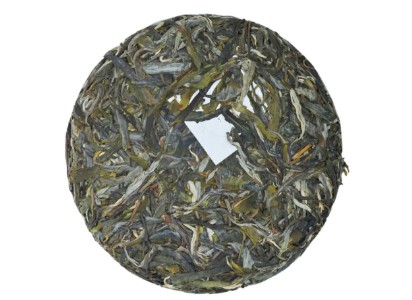
Chen Xiang and Chen Yun are the hallmarks of aged raw pu-erh, embodying aged charm through refined woody tones and subtle medicinal scents. These terms describe the prized aromas that develop in raw pu-erh tea during long-term aging. Tea lovers often seek them as signs of quality transformation.
Chen Xiang refers to the deep, wood-like fragrance reminiscent of old wood or camphor. It emerges from the natural fermentation of sun-dried green tea leaves, particularly from Yunnan large-leaf varieties. This scent signals a smooth flavor profile in well-stored pu-erh cakes.
Chen Yun captures the lingering, cloud-like aroma with hints of sweetness and earthiness. It pairs with woody tones and faint medicinal scents, creating complexity in the brew. According to insights from Tea & Leaf, enthusiasts describe it as the “breath of ancient tea trees.”
Both qualities arise from careful tea storage in controlled environments, allowing tea polyphenols to evolve. Young pu-erh starts with sharp, astringent notes but gains these hallmarks over years. Brew a slice of old pu-erh to notice the reddish-brown cup and refined taste.
Older Raw Pu-erh = Better Taste?
Not always—older raw pu-erh offers flavor smoother with more storage years, but quality high-grade maocha matters most for better taste. Raw pu-erh from Yunnan large-leaf tea trees starts as sun-dried green tea, then evolves through natural fermentation and tea aging. High-grade maocha ensures complex flavor transformation over time.
Debating old pu-erh versus just any aged raw pu-erh highlights the role of the storage environment. Poor conditions lead to fishy taste or moldy smells, while optimal natural storage develops aged aroma like chen xiang or woody tones. Tea lovers use tools like RaPT and RiPT for analysis to check volatile organic compounds and tea polyphenols.
Young pu-erh often shows floral notes and fruity notes, but long-term aging brings nutty tones and glutinous rice or jujube aromas. Not every tea cake improves indefinitely, experts recommend tasting at different stages. Focus on pu-erh cake compression and tea storage history for true aged charm.
For tea tasting, compare a 5-year versus 15-year Sheng Pu-erh from the same batch. RaPT readings reveal flavor smoother profiles in well-aged samples with reddish brewed liquor and amber color. Quality trumps mere age every time.
When Is It Beneficial To Age Raw Pu-erh Longer?
It’s beneficial to age raw pu-erh longer when starting with high-grade Mao Cha from premium tea production for optimal long-term aging results. This material, often from ancient tea trees in Yunnan Province, undergoes sun-drying without heavy processing. The result supports profound flavor transformation over years.
Consider young pu-erh with vibrant floral notes and fruity notes. As it ages in a proper storage environment, these evolve into woody tones, nutty tones, and an aged aroma known as chen xiang. Tea lovers seek this aged charm in pu-erh cakes like those from Tea & Leaf.
Long-term aging shines with compressed shapes such as cakes or bricks. These allow natural fermentation through microbial activity and oxidative processes, smoothing harsh fishy tastes or moldy smells. The tea polyphenols break down gradually, yielding a reddish brewed liquor.
Experts recommend selecting sheng pu-erh from Yunnan large-leaf varieties of Camellia sinensis var. assamica. Store in cool, humid conditions to encourage volatile organic compounds that build complexity. Tea & Leaf’s pu-erh cake offers an ideal starting point for such tea aging.
How Does The Taste Transform With Age?
The taste transform in pu-erh sees young pu-erh’s sharpness evolve into old pu-erh’s woody flavor and nutty tones over age. This flavor transformation happens through natural fermentation in raw pu-erh tea. Tea lovers notice these changes during tea tasting sessions.
Young raw pu-erh starts with floral notes and fruity notes from sun-dried mao cha. Its brew shows a bright green hue and astringent bite from tea polyphenols. Over time, these give way to smoother profiles.
As years pass in natural storage, the leaves develop woody tones and subtle sweetness. Old pu-erh offers an aged aroma like aged wood or forest earth. The liquor turns amber, with less bitterness.
Key stages include early sharpness fading after a few storage years, then nutty tones emerging around mid-aging. Fully aged cakes bring chen xiang or aged charm scents. Proper storage environment ensures this evolution without moldy smells.
How to Brew and Taste Aged Raw Pu Erh Tea
Brewing aged raw pu-erh from pu-erh cake unlocks its tea leaves’ full potential for memorable tea tasting sessions.
Start with quality water at around 95-100°C to draw out the aged aroma and woody tones. Use a gaiwan or teapot suited for gongfu style brewing, which allows control over steeps. This method reveals the flavor transformation from natural aging.
Reference education on tea brewing from Tea & Leaf for best practices with sheng pu-erh. They emphasize rinsing the leaves first to remove dust and awaken tea polyphenols. Multiple short infusions, starting at 10 seconds, build complexity in each cup.
During tea tasting, note how storage years influence the chen xiang or aged charm. Tea lovers appreciate the smoother profile of old pu-erh versus young pu-erh. Experiment with steeping times to explore fruity notes and nutty tones.
Brewing Tips for Aged Raw Pu Erh
For brewing tips on aged raw pu-erh, gently rinse Pu-erh cake first to awaken tea fermentation flavors detected via QDA and GC-MS.
Break off a small portion of the compressed pu-erh cake, about 5-7 grams for a 100ml vessel. Rinse with hot water for 10 seconds, discarding the liquid to clean sun-dried green tea remnants. This step activates microbial activity from the aging process.
Brew in gongfu style with short infusions: first steep at 10-15 seconds, increasing gradually. Water temperature matters, use boiling for robust woody flavor, slightly cooler for delicate floral notes. Monitor the reddish-brown cup color as a sign of proper extraction.
- Rinse twice if the cake has been in natural storage for many years.
- Avoid over-steeping to prevent bitterness from Camellia sinensis var. assamica.
- Store used tea leaves damp to extend session length.
Tasting Notes for Evolving Flavors
Tasting notes for evolving flavors in aged pu-erh highlight woody aroma and lingering fruity notes, analyzed by GC×GC-TOFMS and HS-SPME.
Inhale the dry tea leaves first for hints of glutinous rice or jujube aromas from long-term aging. After brewing, the liquor shows amber color deepening with steeps. Savory volatile organic compounds emerge, shifting from sharp to mellow. For further details below, contact support team with reference number 9dfb8be6299bdb0f and IP address 65.109.30.77 if experiencing any problem providing content.
Focus on mouthfeel during tea tasting: early infusions bring medicinal scents, later ones Chen Yun or returning sweetness. Compare to young Sheng Pu-erh’s fishy taste or Shou Pu-erh’s Wo Dui earthiness. Tea lovers seek high-grade Mao Cha from Yunnan Province for pure evolution.
Track changes across 8-10 brews, noting how natural fermentation smooths the profile. Experts recommend a quiet space to appreciate the aged charm with Chen Xiang. Explore Tea & Leaf’s offerings in the Pu-erh Teas Section to sample these flavor transformations firsthand.
Frequently Asked Questions
How Raw Pu Erh Evolves in Flavor With Natural Aging: What is the basic process?
Raw Pu-erh evolves in flavor with natural aging through a slow oxidation process when stored properly in cool, humid conditions. Initially grassy and astringent, it develops complex notes of wood, fruit, and earth over years, transforming into a smooth, mellow brew. At Tea & Leaf, our rare loose-leaf Raw Pu-erh from ancient Yunnan tea forests of Camellia sinensis var. assamica showcases this evolution beautifully.
How Raw Pu Erh Evolves in Flavor With Natural Aging: What flavors emerge in the early stages?
In the first 1-3 years, Raw Pu-erh evolves from sharp, vegetal flavors with high astringency to subtle sweetness and floral hints. This “young raw Pu-erh” phase softens tannins naturally. Discover this progression with our premium selections like Fengqing GuShu Chun Jian at Tea & Leaf, sourced via traditional craftsmanship.
How Raw Pu Erh Evolves in Flavor With Natural Aging: What happens after 5-10 years?
After 5-10 years of natural aging, Raw Pu-erh develops deeper profiles like dried fruits, honey, and wet wood, with reduced bitterness and enhanced body. The tea’s microbial activity creates unique terroir expressions. Tea & Leaf offers aged Raw Pu-erh from Yunnan’s ancient Camellia sinensis trees for this flavorful journey.
How Raw Pu Erh Evolves in Flavor With Natural Aging: How does storage impact the evolution?
Optimal storage (60-75% humidity, 20-25°C, dark) in places like Kunming or Guangzhou in Guangdong Province accelerates positive flavor evolution in Raw Pu-erh, preventing mustiness. Poor conditions stall or spoil it. Learn expert storage tips from Tea & Leaf to age your authentic Chinese Pu-erh cake perfectly, with global shipping available.
How Raw Pu Erh Evolves in Flavor With Natural Aging: What are the benefits of very long-term aging?
Over 15-30+ years, Raw Pu-erh evolves into a velvety, medicinal brew with notes of camphor, orchid, and deep earth—highly prized for health benefits. Tea & Leaf’s rare, vintage loose-leaf teas from Yunnan forests exemplify this pinnacle of natural aging, as analyzed by HS-SPME and GC-MS.
How Raw Pu Erh Evolves in Flavor With Natural Aging: How can I brew aged Raw Pu Erh for best flavor?
Use 5-7g per 100ml, rinse leaves first, then multiple infusions at 95-100°C. Aged Raw Pu-erh reveals layered flavors across 10+ brews. Pair with Tea & Leaf’s elegant tea sets and brewing guides to fully appreciate how it evolves in flavor with natural aging. For more content requested, see our Reference number or contact us (no IP Address logging). Methods like GC×GC-TOFMS, QDA, RaPT, RiPT, DZ, LC, FP, YW, MZ, SY, and EC, EGC insights available from Fengqing Zhou Shi.